Tableau experience
Our data analytics practice started with Tableau in 2012. Our work records for 2023–2024 include 48 completed client projects involving Tableau: environment implementations, reports, data preparation, licenses, training, and maintenance.
DPD Polska
We implemented a Tableau-based Business Intelligence solution, integrated distributed data, and developed operational reports. The scope also included maintaining the Tableau Server environment.
Read the DPD Polska referenceCandid Group
We developed existing Tableau dashboards and prepared budget, financial, and management reports. The work also covered integration of data used by business users.
Read the Candid Group referenceFrom a business question to a production Tableau environment
We design reports and dashboards, prepare data, install the environment, and develop Tableau Server and Tableau Cloud. We also select user roles and licenses that fit the organization’s way of working. The scope depends on the number of recipients, data sources, security rules, and whether reports are created by a central team, business users, or both.
The first stage does not involve reviewing every product feature. We select the decision the report needs to support, agree on measure definitions, and verify data availability. We then prepare the view, validate the result with the business owner, and plan publication and maintenance.
When it is worth talking
- reports are prepared manually and are difficult to keep current;
- different departments use different definitions for the same metrics;
- Tableau is in place, but reports are slow, difficult to develop, or not used enough;
- the organization is deciding between Tableau Server and Tableau Cloud;
- reports and data need to be moved without disrupting users’ work.
If the issue affects the entire environment, start with the BI Optimization Assessment. For manual data preparation, see DataFlow; when changing platforms, consider a BI migration. See the complete Data & BI offering.
Tableau for data analysis and visualization
Tableau turns data into clear reports, statistics, forecasts, and interactive visualizations. Analysts and business users can explore information through a drag-and-drop interface and then publish agreed views for recipients across the organization.
We connect the platform to spreadsheets, databases, data warehouses, and business systems. Sources can include MS Excel, MS SQL Server, MySQL, Oracle, SAP HANA, DB2, Google Analytics, and Hadoop. The connection and data-model design follows the architecture of the specific organization.
Who is Tableau for?
Tableau is designed for report authors, metric owners, managers, and recipients who need regular access to data. The way they work depends on their role: one person prepares the data, another builds the analysis, and another uses the published dashboard.
Products that make up a Tableau environment
The environment covers the full work cycle: data preparation, analysis, publication, and maintenance. We select its components according to user roles, architecture, and how reports are shared.
Tableau Desktop
Role in the environment: analysis and report creation.
How we use it: connecting data, calculations, visualizations, and preparing dashboards for publication.
More about Tableau DesktopTableau Prep
Role in the environment: preparing data for analysis.
How we use it: profiling, cleaning, combining, transforming, and aggregating data.
More about Tableau PrepTableau Server
Role in the environment: publishing and managing analytics in the organization's own infrastructure.
How we use it: sharing reports, managing permissions, refreshing data, and supporting user collaboration.
More about Tableau ServerTableau Cloud
Role in the environment: publishing and managing analytics in a SaaS model.
How we use it: sharing reports without maintaining an organization's own Tableau server and managing roles and access.
More about Tableau CloudTableau Pulse
Role in the environment: tracking agreed metrics in Tableau Cloud.
How we use it: Tableau Pulse shows users the most important information about the metrics they follow.
More about Tableau PulseTableau Embedded
Role in the environment: analytics embedded in an application or portal.
How we use it: sharing reports with clients and application users through authentication tailored to the application.
More about Tableau EmbeddedScope of our Tableau services
We lead the project from discovery through development of the production platform. The scope includes:
- selection and delivery of Tableau licenses;
- architecture, installation, and configuration of Tableau Server or Tableau Cloud;
- preparation of sources, Tableau Prep flows, data models, reports, and dashboards;
- Tableau Pulse implementation and agreement on metrics for business recipients;
- embedding Tableau analytics in applications and portals;
- training for users, report authors, and administrators;
- auditing, migration, performance optimization, and takeover of an existing environment;
- maintenance, report development, and user support.
We establish the scope after identifying the decisions supported by the reports, the number of users, roles, data sources, security requirements, and the environment maintenance model.
Tableau features, platform options, and licensing
Tableau connects the analyst's work, data preparation, report publication, and access management. The sections below present the key capabilities and the role of each environment component.
Fast start
The drag-and-drop interface supports an efficient start to analysis once sources, the data model, and metric definitions are ready.
Ease of use
Many reports and analyses are created without writing code. Users work directly with measures, dimensions, filters, and visualizations.
Data sources
Tableau connects to spreadsheets, databases, warehouses, and data services. We design connections with data quality, refreshes, and source accountability in mind.
Data visualization
We select charts, maps, and dashboards according to the business question, level of detail, and decision-making process.
Teamwork
Tableau Server and Tableau Cloud store published reports, support collaboration, and provide control over user permissions and views.
Mobility
Published reports can be available in a browser and on mobile devices according to assigned permissions.
Flexibility
The environment can support both the analysis of a single area and a set of management and operational reports using shared data.
Security
The project covers roles, permissions, authentication, and the publication method. We align the security configuration with the organization's architecture and policies.
Do you work with data and want to make better business decisions? Try Tableau free.
Tableau Desktop
Tableau Desktop* is a tool for connecting and modeling data and creating analyses. It provides database, text, mathematical, and logical operations, allows users to build custom calculations, and integrates analyses with R. Prepared dashboards can be published to Tableau Server or Tableau Cloud.
*Tableau Desktop is available with a Creator license.
How we use Tableau Desktop:
- Connecting data.
- Creating advanced reports.
- Using advanced analytics features.
- Sharing content and assigning permissions.
- Automating reporting.
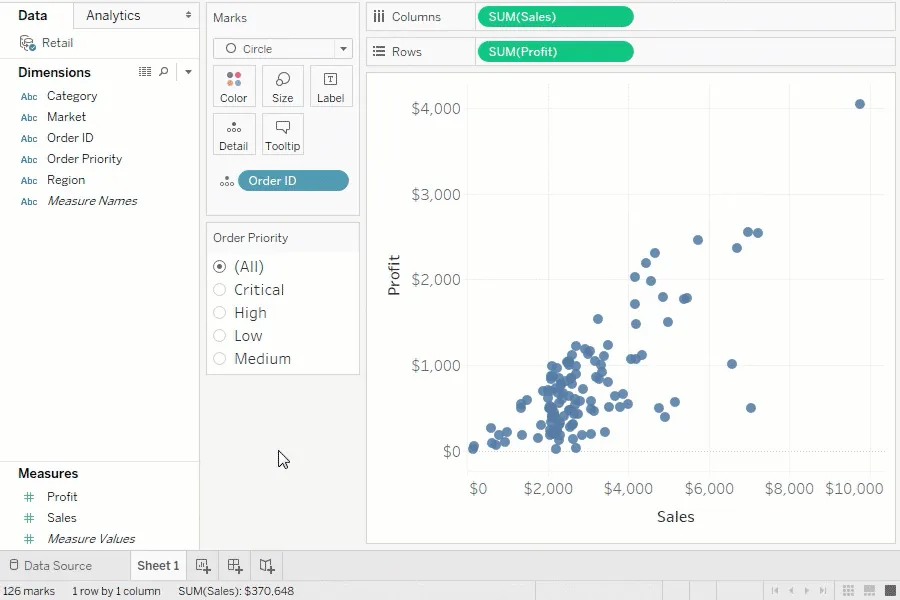
Tableau Prep
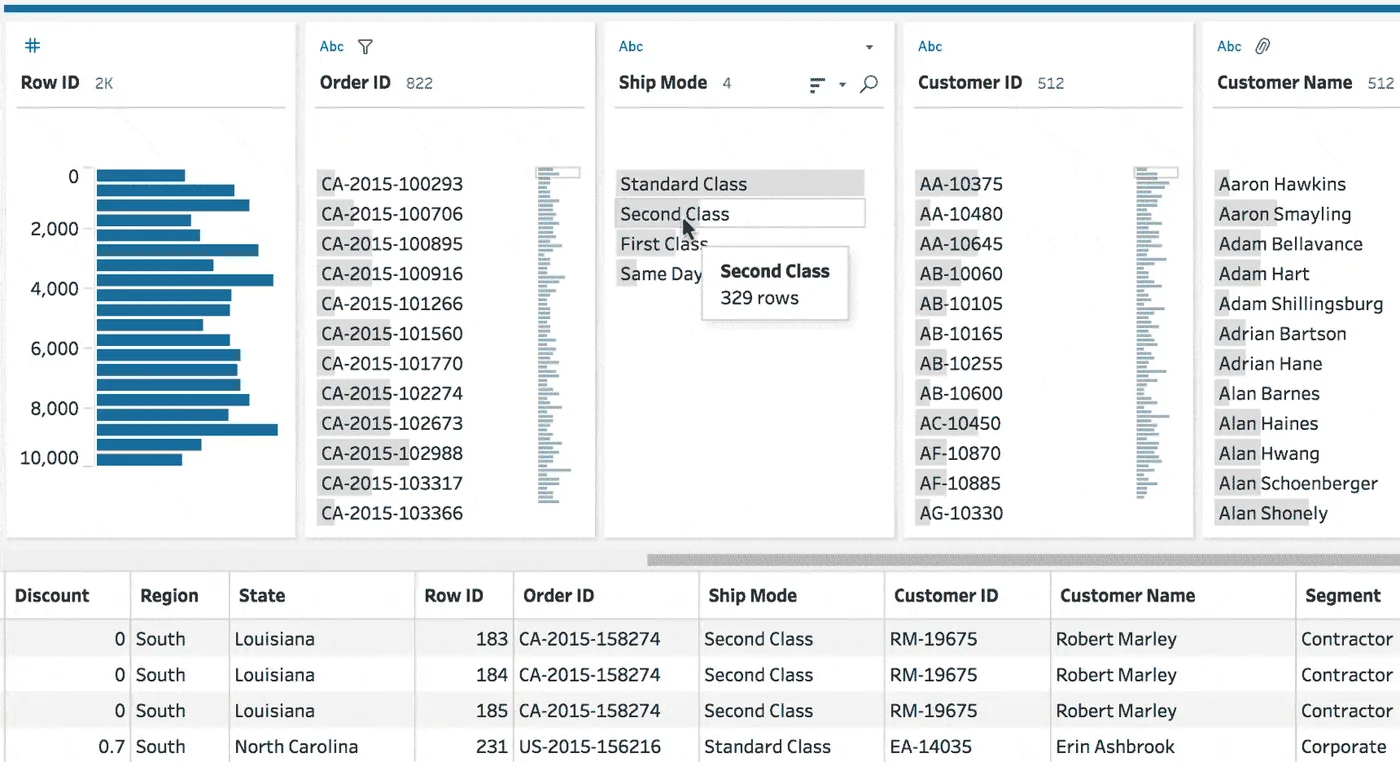
Tableau Prep* is used to check data quality, enrich data with information from other sources, and prepare analysis-ready data sets.
*Tableau Prep is available with a Creator license.
How we use Tableau Prep:
- Connecting data.
- Profiling data.
- Cleaning data.
- Transforming data.
- Aggregating data.
Download Tableau Prep and prepare data for analysis in Tableau.
Tableau Server
Tableau Server* is a platform for publishing reports in infrastructure managed by the organization. Users work with shared reports and sources and use self-service, commenting, and collaboration features. The administrator panel provides control over content, users, and permissions. Reports can be embedded in websites and applications using the Tableau API.
*Tableau Server is available for Creator, Explorer, and Viewer roles.
How we use Tableau Server:
- Managing access to data and reports.
- Managing permissions.
- Supporting collaboration across the organization.
- Building business reports.
- Automating refreshes.
- Providing mobile access.
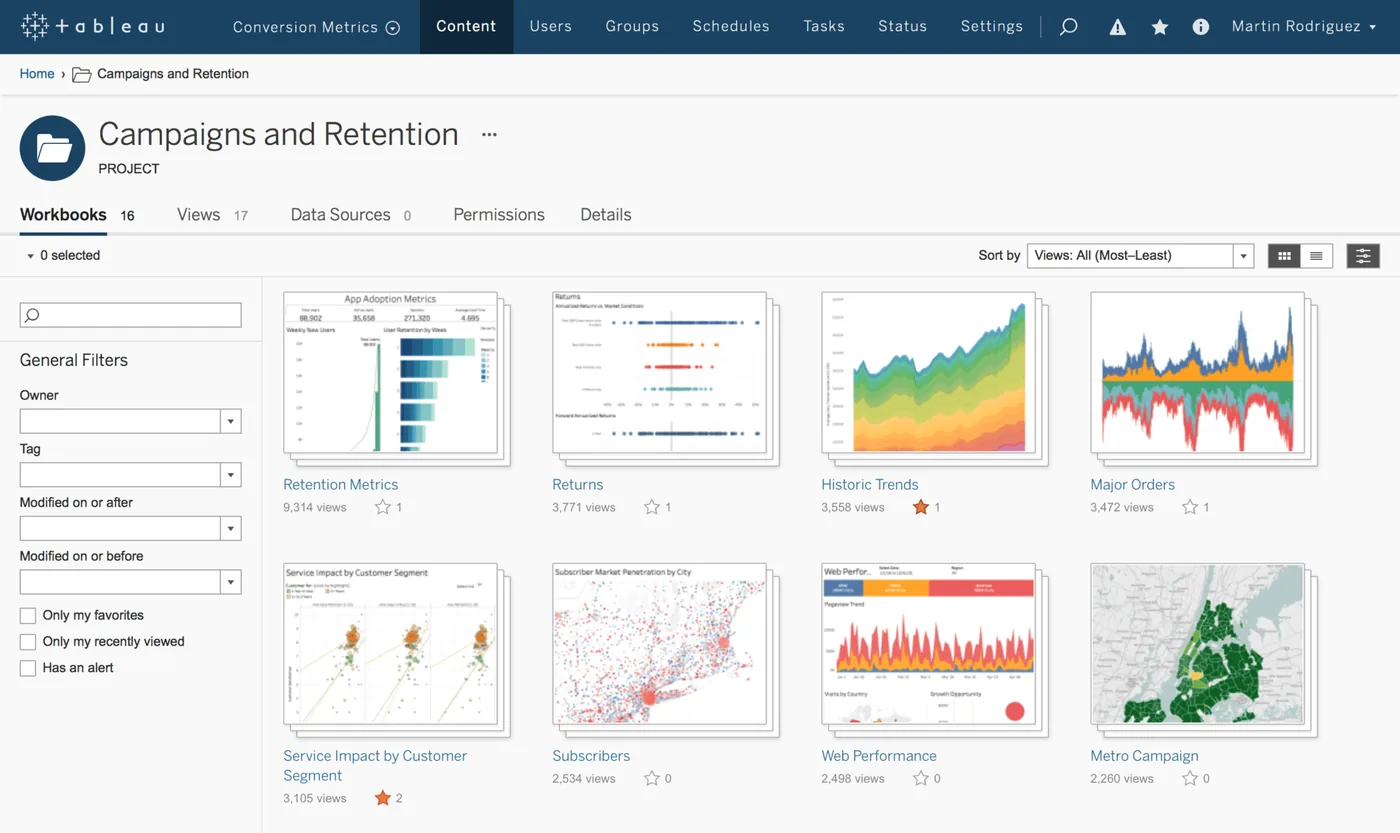
Tableau Pulse
We implement Tableau Pulse for organizations using Tableau Cloud. Pulse provides personalized information about tracked metrics and delivers it through tools used every day. We prepare the sources and metric definitions, configure permissions, and launch the solution for selected recipient groups. AI features support explanations of changes, while a person evaluates the output and makes the decision.
Tableau Cloud
Tableau Cloud provides an analytics platform in a Software as a Service model. The organization uses publication and collaboration features without maintaining its own Tableau server.
The cloud version of the platform was previously known as Tableau Online. The choice between Cloud and Server depends on the architecture, security policy, data location, integrations, and administration model.
In a Tableau Cloud environment:
- Tableau maintains the platform infrastructure.
- Access to the platform follows a subscription model.
- The environment scope is matched to the organization’s needs.


- Roles and permissions control users’ access to content.
- Report authors work in Tableau Desktop or in a browser, depending on their role and the task.
Tableau Cloud user roles: Creator, Explorer, and Viewer. Permissions are matched to how users create, edit, and view reports. We establish current licensing terms for the specific organization.
Tableau Embedded
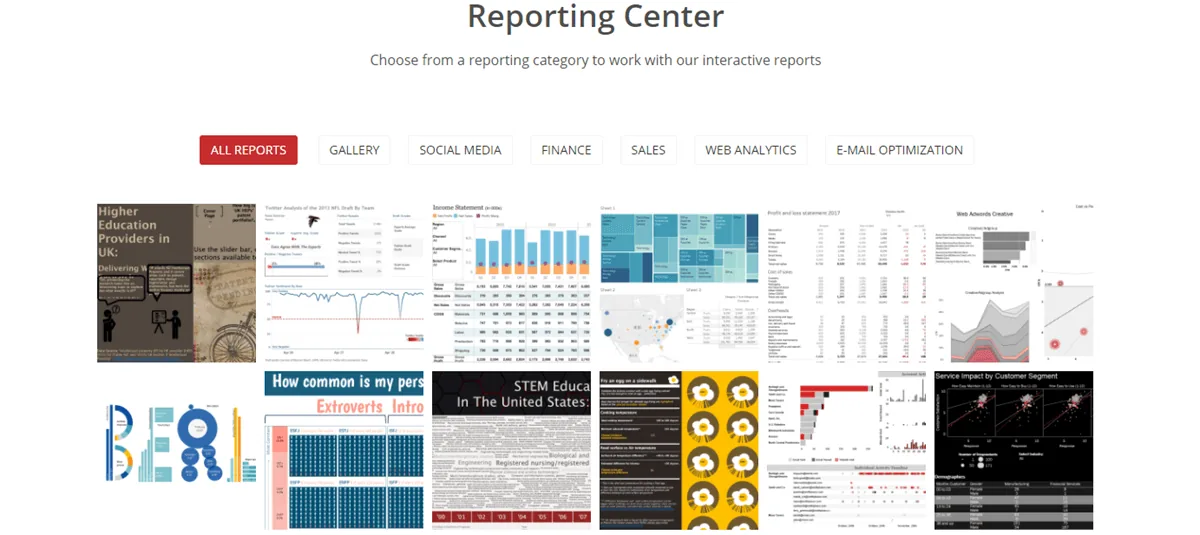
Tableau Embedded is used to embed reports in custom applications and websites.
We embed Tableau reports in custom applications and websites. With APIs and embedded licensing, users work with analytics without leaving the product or portal they use.
When designing the solution, we consider:
- cost;
- the extent of application customization;
- security;
- performance;
- solution delivery time.
How does a Tableau Embedded license work?
The Tableau platform provides an analytics layer embedded in the product, allowing the application team to focus on the solution’s remaining features.
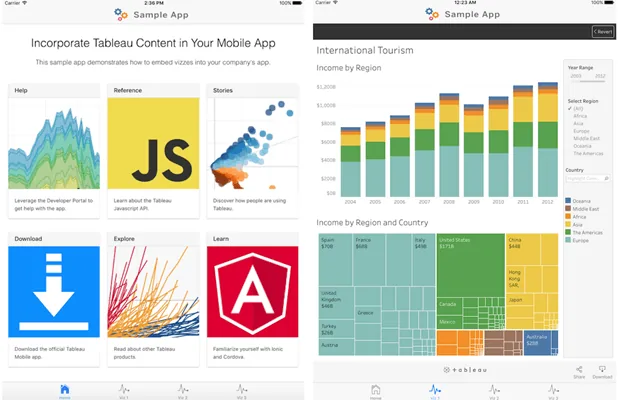
- Developers and engineers integrate the ready-made reporting layer with the application.
- Users work with Tableau filters, actions, and parameters without opening a separate service.
- Authentication can use SAML, OpenID, Kerberos, or Tableau trusted authentication.
Tableau licensing and pricing
The licensing model is based on user roles: from people who prepare data and reports, through users who analyze and develop views, to recipients who use published results. We establish current terms and the number of licenses for the specific organization.
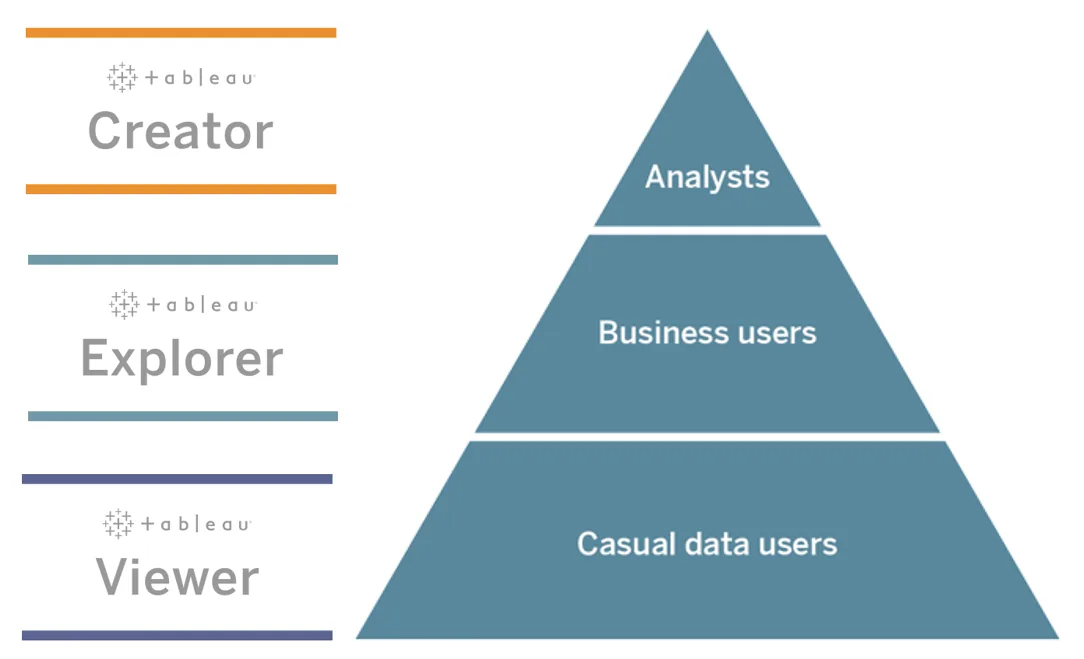
Tableau Creator—building analytics reports
- A complete toolset for a data analyst.
- Connecting data.
- Preparing data in Tableau Prep or Tableau Desktop.
- Creating data flows in Tableau Prep.
- Using analytics features and creating dashboards.
- Publishing and assigning permissions in Tableau Server or Tableau Cloud.
Tableau Explorer—analyzing published data
- Access to reports with the ability to edit them and create custom analyses.
- Accessing reports through a browser.
- Connecting to published sources.
- Creating and publishing content in the Tableau environment.
- Accessing source data according to permissions.
- Using collaboration, alerts, and subscriptions.
Tableau Viewer—interactively viewing reports
- Access to published reports according to assigned permissions.
- Access through a browser and mobile devices.
- Downloading data, visualizations, and images within the scope established by the administrator.
Tableau Creator includes the tools needed to connect, prepare, and model data and build dashboards. The user creates calculations and visualizations, then publishes the prepared content in the organization’s environment.
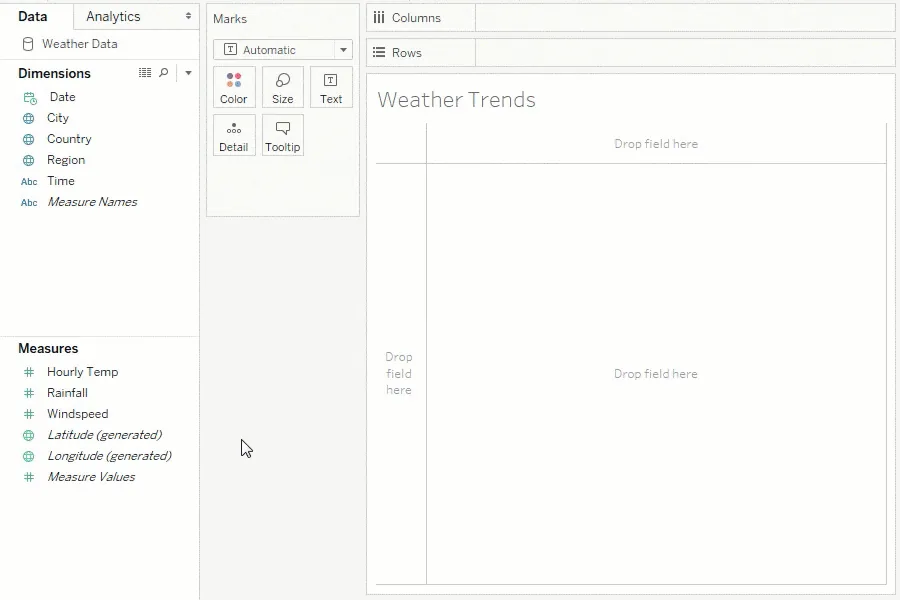
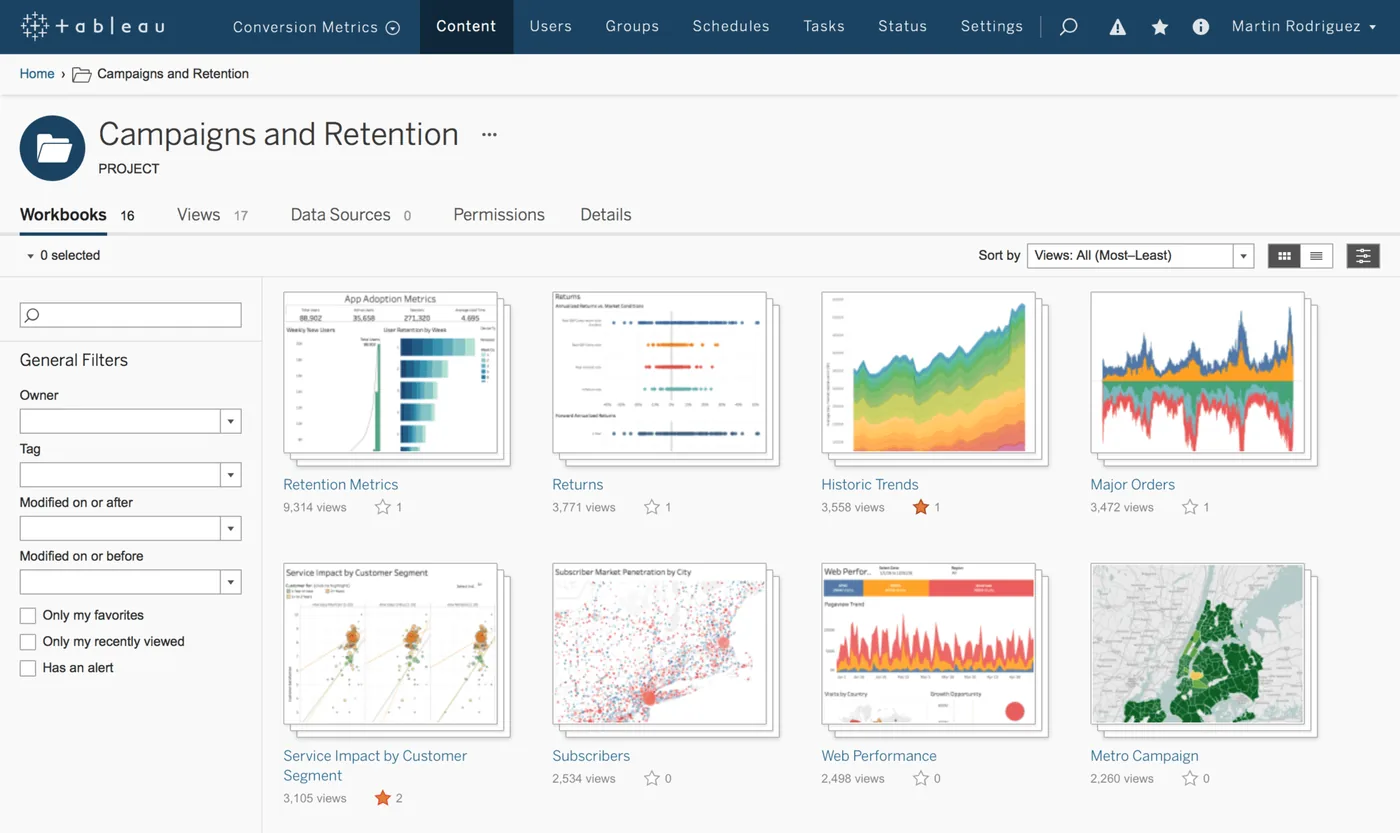
Tableau Explorer allows users to analyze published data, edit reports, and create custom views within their assigned permissions. The environment can refresh data automatically on a schedule, while the administrator manages content, users, and access.
Tableau Viewer provides interactive access to published reports through a browser and mobile devices according to the assigned scope of access.
Tableau use cases
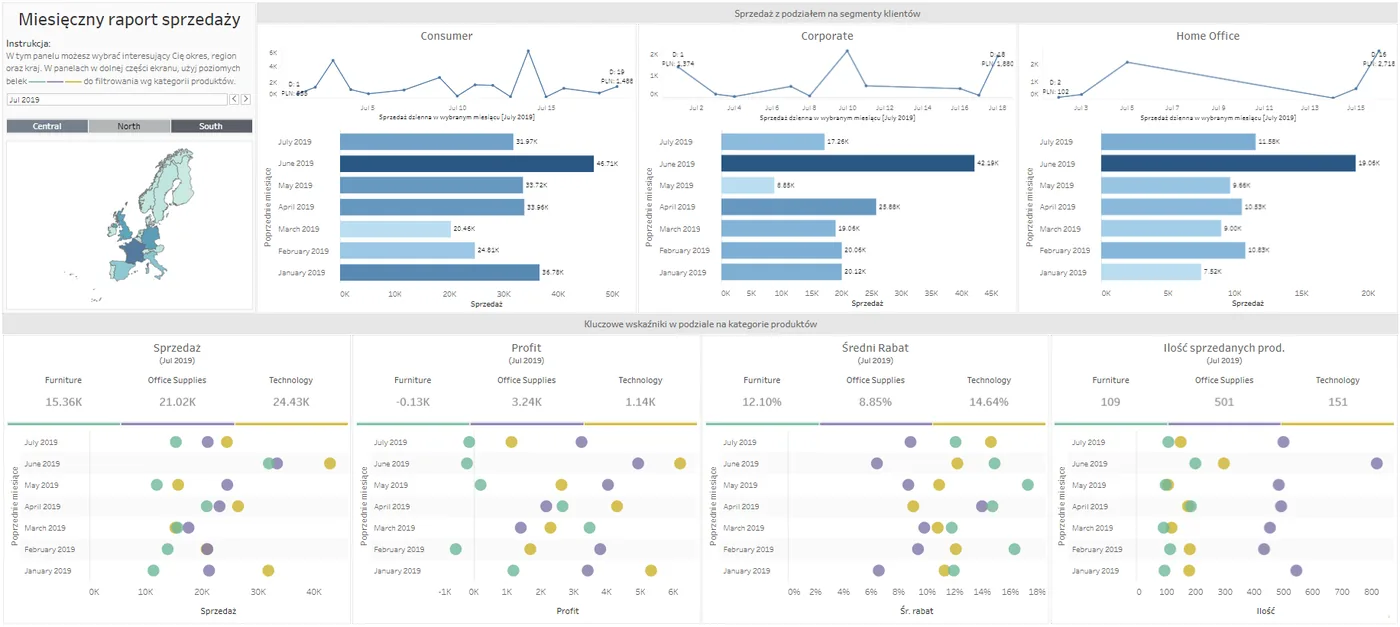
Tableau supports data visualization across many business areas. Below are examples of reports created in Tableau.
Tableau in distribution
The report shows the distribution structure across regional retail chains. The analysis identifies wholesalers responsible for the largest sales volume to regional chains and the corresponding numerical distribution share.

Tableau in controlling
Payables and receivables reporting supports financial liquidity control. The Tableau management dashboard presents receivables at different levels of detail.

Frequently asked questions about Tableau
Do you implement Tableau Server and Tableau Cloud?
Yes. We design, install, and configure Tableau Server and implement Tableau Cloud. The choice follows from the organization’s architecture, security rules, data location, integrations, and administration model.
Do you take over maintenance of existing Tableau environments?
Yes. We start by auditing sources, reports, permissions, refreshes, and performance. We then organize the environment, resolve issues, develop reports, and provide ongoing platform maintenance.
Do you provide Tableau licenses?
Yes. We match Creator, Explorer, and Viewer roles to users’ way of working, provide licenses, and support renewals. The number and type of licenses depend on who creates, develops, and views reports.
Do you implement Tableau Pulse?
Yes. We prepare data and metric definitions, configure permissions, and launch Tableau Pulse for selected recipients in Tableau Cloud.
Do you provide Tableau training?
Yes. We provide training for business users, report authors, and administrators. We base the program on participants’ roles, their data, and the tasks they perform in the Tableau environment.
What determines the scope of a Tableau implementation?
The scope depends on the decisions the reports need to support, the number and quality of sources, the number of users and roles, integrations, security requirements, and accountability for ongoing maintenance. The first stage establishes these elements and the work sequence.