Security by Design—security from the very beginning
Information system security is an absolute priority in today’s world.
From the beginning, our company has followed the Security by Design principle. This means that data and system protection are addressed during software planning and design, not after development is complete. Security remains part of every stage, from designing the architecture and selecting technologies to writing code. We always consider how to protect the application effectively against unauthorized access, outages, and other threats.
Secure development practices in daily work
Starting at the coding level, our developers apply secure practices. We validate input data to prevent attacks such as SQL injection and XSS, use proven cryptographic libraries to encrypt sensitive data, and implement authentication and authorization mechanisms according to established standards. In our web applications, for example, we use JWTs (JSON Web Tokens) for secure user authorization in distributed architectures, such as single-page applications communicating with APIs. We use OAuth 2.0 where permissions must be transferred between services, such as signing in through an external identity provider or integrating systems. Where appropriate, we also support traditional mechanisms such as Basic Auth and session-based authorization. We always select a method suited to the project’s scale and nature and design it to resist common attack vectors.
Encryption and safeguards for communication and infrastructure
A key pillar of security is protecting communication and data. All web applications we develop use SSL/TLS encryption by default. A certificate secures communication between the browser and server, or among servers, protecting the data from interception in man-in-the-middle attacks. At the network layer, we work with infrastructure specialists to implement application firewalls, network segmentation such as a DMZ for public servers, and appropriate server hardening. When deploying our system in a client’s environment, we handle its secure configuration, from database server settings and backups to password policies and user permission management.
DevSecOps—security integrated into the CI/CD process
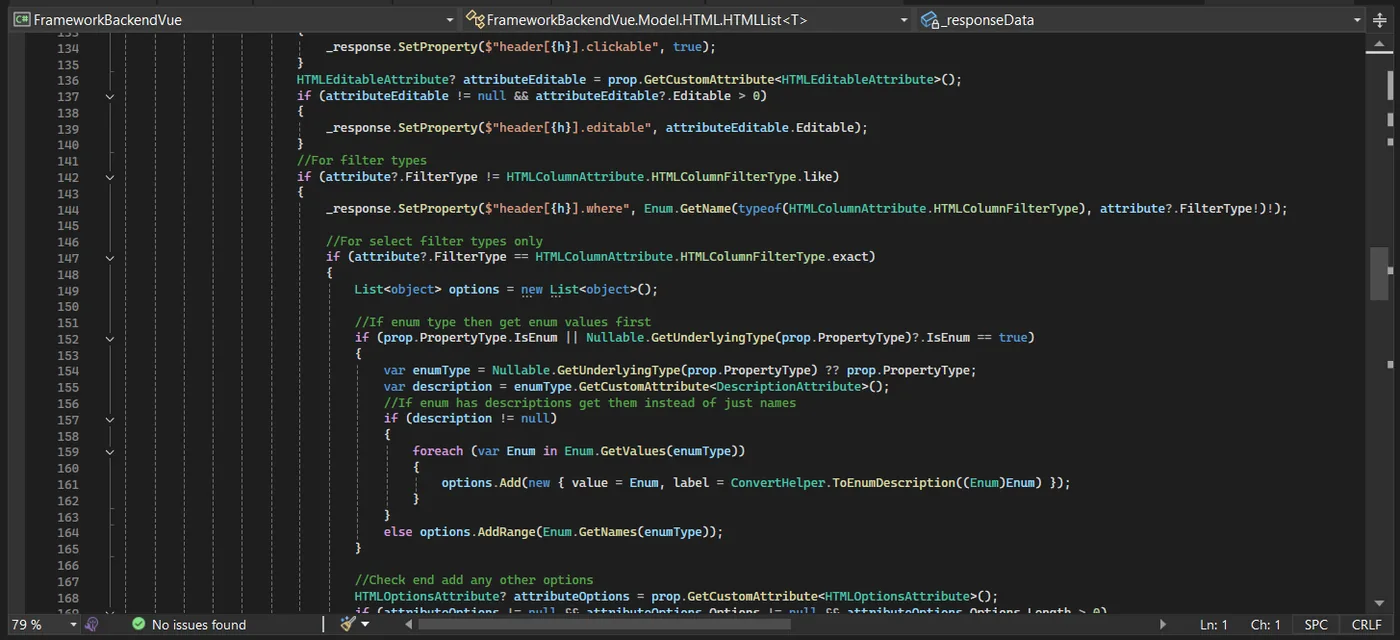
We incorporate security into the DevOps process through a DevSecOps approach. We configure tools in the CI/CD pipeline to scan source code automatically for vulnerabilities and security weaknesses. For example, we use tools such as SonarQube, which performs static code analysis and detects potentially unsafe constructs, including missing null checks, outdated cryptographic functions, and likely error locations. We also use OWASP Dependency-Check to check third-party libraries in the project for known vulnerabilities (CVEs). This enables us to update dependencies quickly when a component version has a security flaw. Before releasing a new software version, we also conduct penetration tests and a security audit, either internally or with external auditors, to verify that the application resists attacks. Experienced team members also perform code reviews of all critical elements. A fresh perspective identifies potential problems the original author may have missed.
Trust built on solid security foundations
This comprehensive approach protects the systems we develop for clients. We protect data, including personal data under the GDPR, and treat reliable application operation with the same care as functionality and usability. We allocate the time required for thorough testing and remediation of potential vulnerabilities so that users are not exposed to future risks. Working with our Software House gives the client a system that performs its intended functions while protecting the business and its data against digital threats. Have questions? Contact us for a free consultation. Have a question? Contact us for a free consultation.